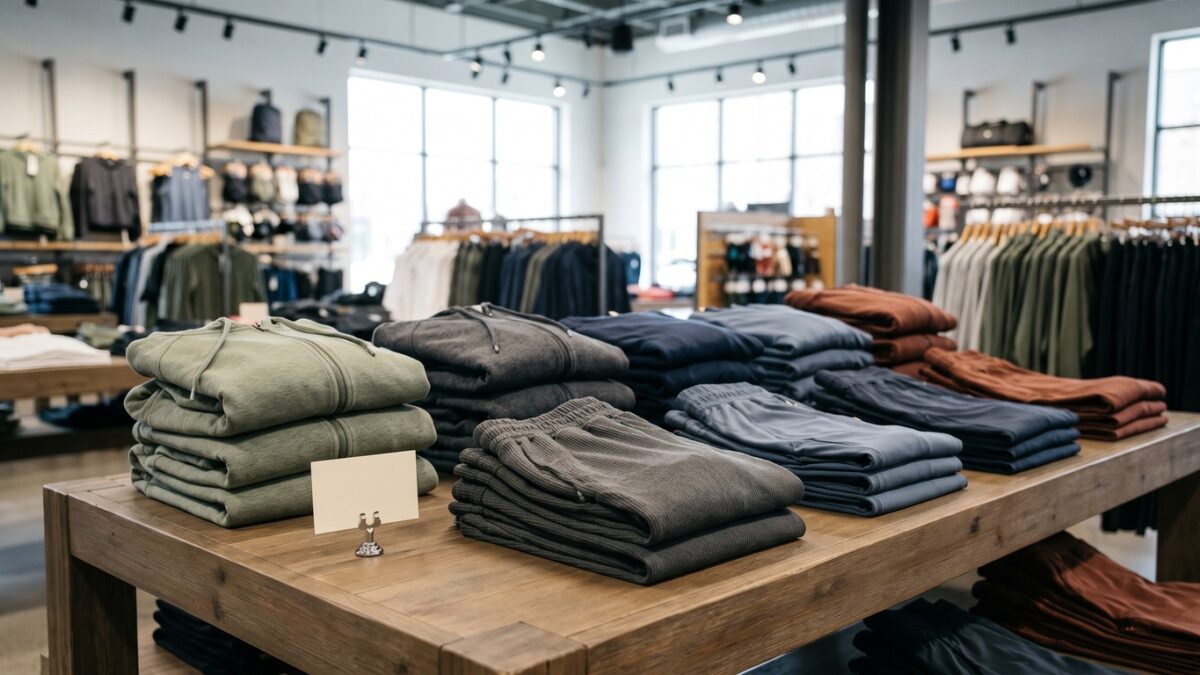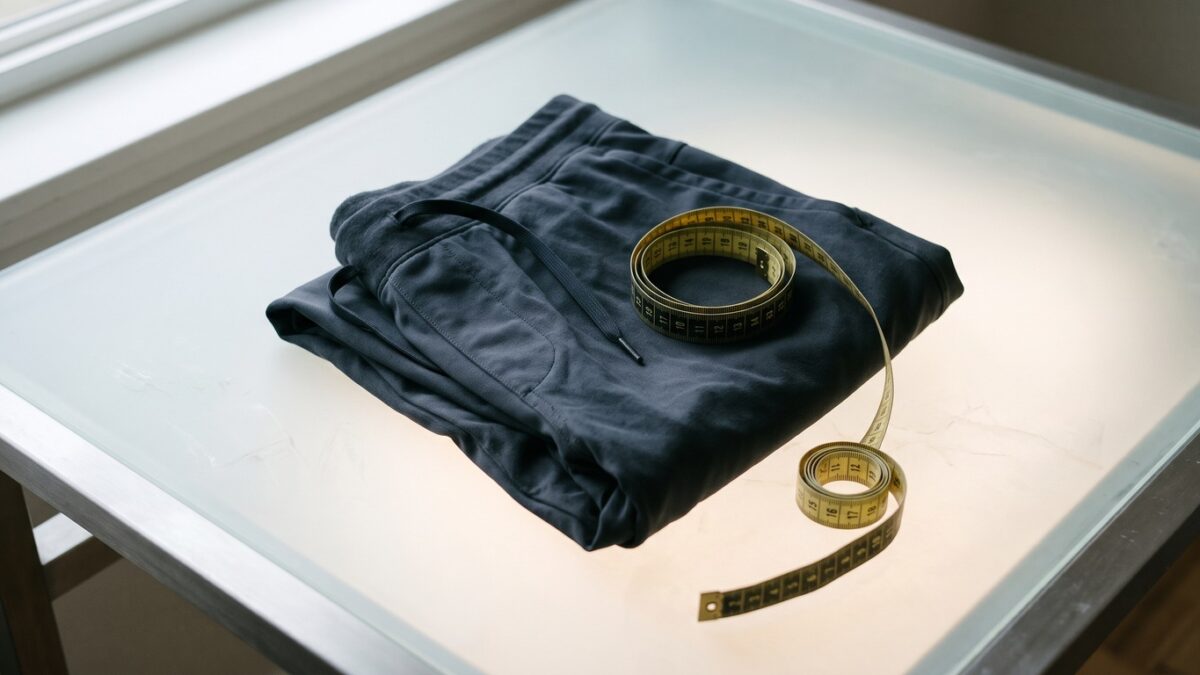
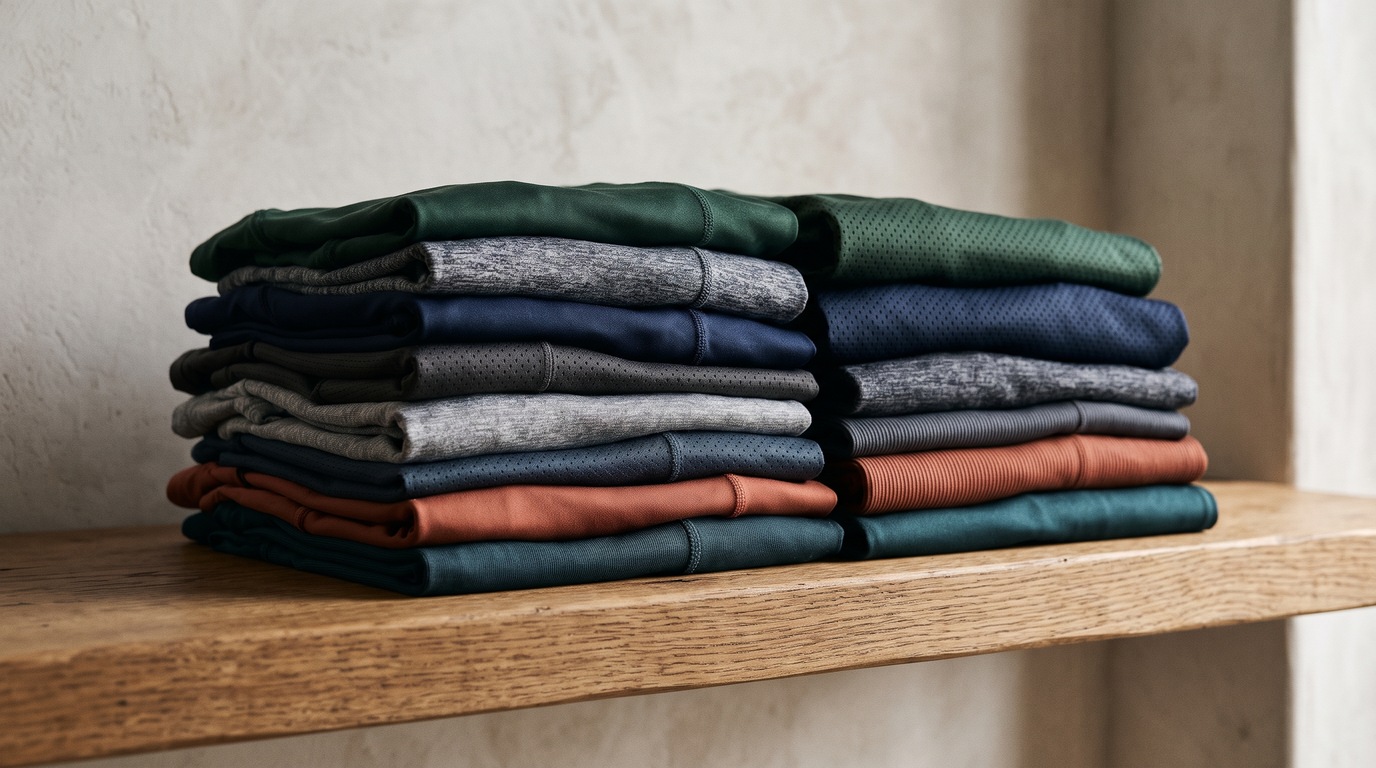
Picture two people finishing the same hour-long workout. One steps out of the gym in a shirt that clings and feels heavy, while the other has a shirt that feels light and almost dry. The difference is rarely the brand name. It is the fabric, the knit and how the garment was made. Understanding a few fiber names makes it much easier to buy workout clothes that stay comfortable, and this guide explains what each common fabric does and where it fits.
This is general information about clothing. Fabric performance varies by blend, weight and construction, so use the care label and the fiber content on each garment as your guide.
What moisture-wicking actually means
Wicking describes how a fabric moves moisture along its fibers and across its surface. Sweat travels from the skin side of the fabric to the outer face, where it spreads out and evaporates. The faster that happens, the drier the garment feels.
Wicking depends on the fiber, the knit and any finish applied to the fabric. A tight, smooth knit moves moisture differently from a loose, textured one. A shirt labeled as wicking should dry faster than a plain cotton shirt, but the label alone does not tell you how well.
Common athletic fabrics compared
| Fabric | Feel | Drying speed | Odor tendency | Typical use |
|---|---|---|---|---|
| Polyester | Smooth, light | Fast | Can hold odor | Tees, shorts, running tops |
| Nylon | Soft, silky | Fast | Moderate | Leggings, shorts, jackets |
| Merino wool | Soft, fine | Slow to moderate | Resists odor well | Base layers, socks |
| Cotton | Soft, absorbent | Slow | Moderate | Casual wear, light activity |
| Spandex blend | Stretchy | Fast | Moderate | Tights, fitted tops |
Polyester
Polyester is the most common athletic fabric. The fiber itself absorbs very little water, so moisture moves across and between fibers and evaporates quickly. It is durable, holds its shape and resists shrinking. The downside is odor, because bacteria can cling to the surface of synthetic fibers and the smell can linger even after a wash.
Nylon
Nylon is similar to polyester but usually feels softer and smoother. It is strong and abrasion resistant, which is why it is common in leggings and shorts. It can absorb slightly more moisture than polyester and takes a little longer to dry.
Merino wool
Fine merino wool is the natural option that performs well in sport. It absorbs moisture vapor, feels warm when cool and comfortable when warm, and it resists odor better than synthetics. It costs more, dries more slowly than polyester and needs gentler care.
Cotton
Cotton absorbs a lot of moisture and dries slowly. A cotton shirt can feel heavy and cold once it is wet. For gentle activity or short sessions it is fine, but for long or sweaty workouts a synthetic or wool garment is usually more comfortable.
Blends and stretch
Many athletic garments blend fibers. A polyester and spandex blend gives stretch, and a polyester and cotton blend adds a softer feel. Spandex, also called elastane, usually makes up a small share of the fabric, often 5 to 20 percent in tights and fitted tops. Higher spandex content means more stretch and recovery, though it can also wear out sooner with heat.
Construction matters as much as fiber
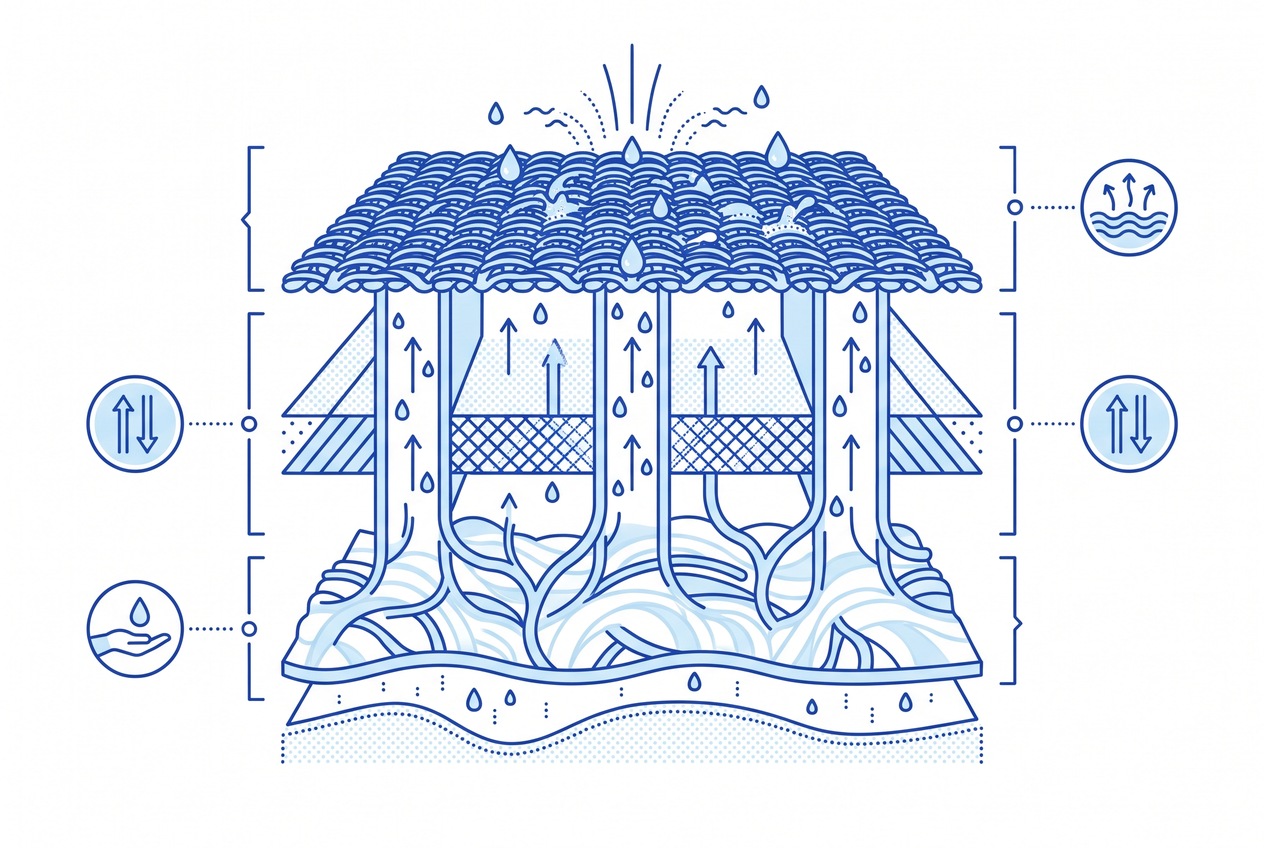
Two shirts with the same fiber content can behave differently. Look at these features:
- Knit structure: open mesh panels increase airflow, and tight knits add support.
- Fabric weight: lighter fabric dries faster, and heavier fabric adds warmth.
- Seams: flat seams reduce chafing, especially on long runs.
- Ventilation: mesh zones under the arms and on the back help heat escape.
What to do about odor
Odor comes from bacteria feeding on sweat. Some garments carry treatments that aim to reduce odor, though these finishes can wear off after many washes. Don’t rely on a claim on the tag. Wash gear soon after use, don’t leave it damp in a bag and choose merino for items worn many times between washes.
Home test for wicking
You can compare two garments without special tools:
- Place a drop of water on each fabric.
- Watch how quickly it spreads and soaks in.
- Wear both for a short workout and note which feels drier at the end.
- Compare how long each takes to dry on a hanger.
This is not a scientific test, but it shows how a fabric behaves.
Myths and facts
| Claim | What is true |
|---|---|
| Cotton is always bad for workouts | Cotton is fine for light activity, but slow to dry when wet |
| Synthetic means cheap | Many high-quality garments use synthetics for durability |
| Wool is only for winter | Fine merino can be comfortable in warm weather |
| More stretch is always better | Too much stretch can feel thin and wear out faster |
Choosing fabric by activity
The best fabric changes with the activity and the weather. A few starting points:
- Running in warm weather: a light polyester or nylon top with mesh panels moves sweat quickly and breathes well.
- Lifting indoors: a mid-weight polyester blend with some stretch moves easily and holds up to friction from benches and bars.
- Cold-weather training: a merino or synthetic base layer keeps you warm without trapping sweat against the skin.
- Yoga and low-intensity work: soft nylon blends with stretch feel comfortable, and cotton blends are fine when you barely sweat.
- Long days on your feet: merino socks and a breathable top reduce the clammy feeling that builds up over hours.
If you sweat heavily, favor fast-drying fabrics and carry a spare shirt. If you run cold, add a thin wool layer rather than a thick cotton one.
The bottom line
Choose fabrics by the way you train. Polyester and nylon suit fast-drying, durable gear, merino suits odor resistance and low-key comfort, and cotton suits easy days. Read the fiber label, check the construction and wash gear promptly, and your workout clothes will feel better for longer.