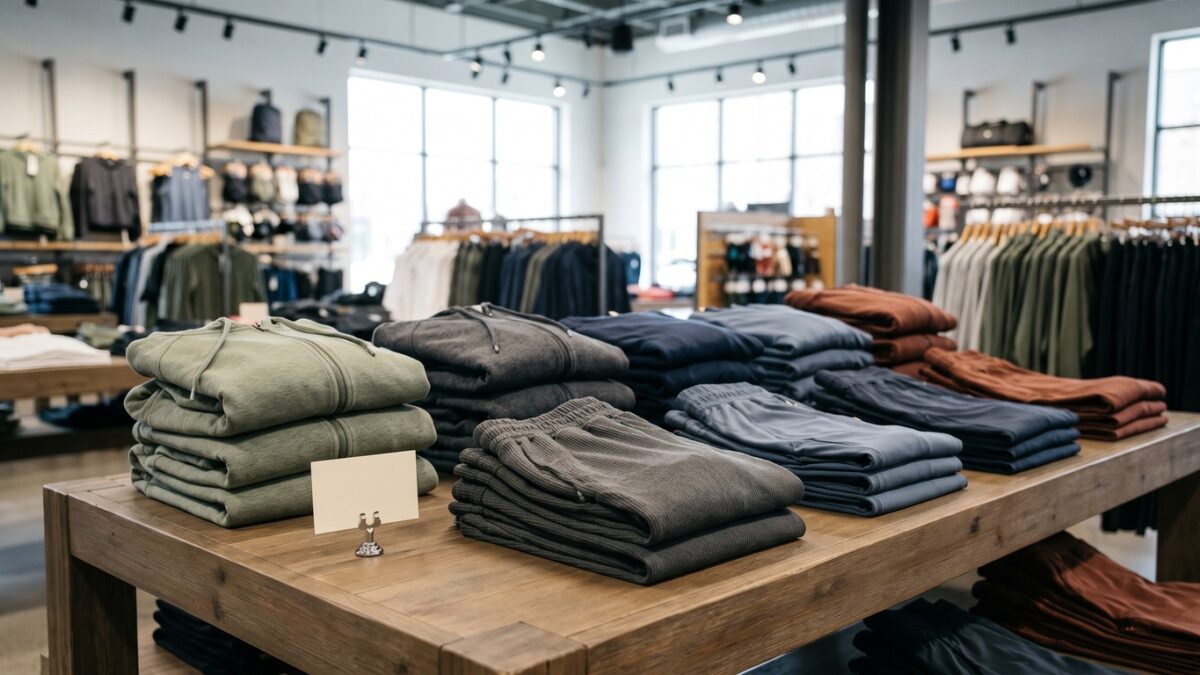
A medium in one brand fits like a large in another, and the same brand may cut its tights differently from its shorts. That is why so many workout clothes end up in a drawer after a single wear. Sizing athletic wear well takes a tape measure, a few minutes with the size chart and a clear idea of how the garment should fit. This guide walks through each step so you can order with more confidence.
This is general information about clothing. Sizing varies between brands and cuts, so always check the maker’s own size chart and return policy.
Why athletic sizing is tricky
Athletic wear is made from stretch fabrics, so the same size can fit a range of bodies. That makes sizing forgiving in some ways and confusing in others. Brands also use different fit labels, such as slim, fitted, standard, relaxed or loose, and a garment labeled medium in a slim fit is smaller than a medium in a relaxed fit.
On top of that, size charts use different measurement points. Some list body measurements, and others list garment measurements. Check which one the chart uses before you compare.
Take your measurements first
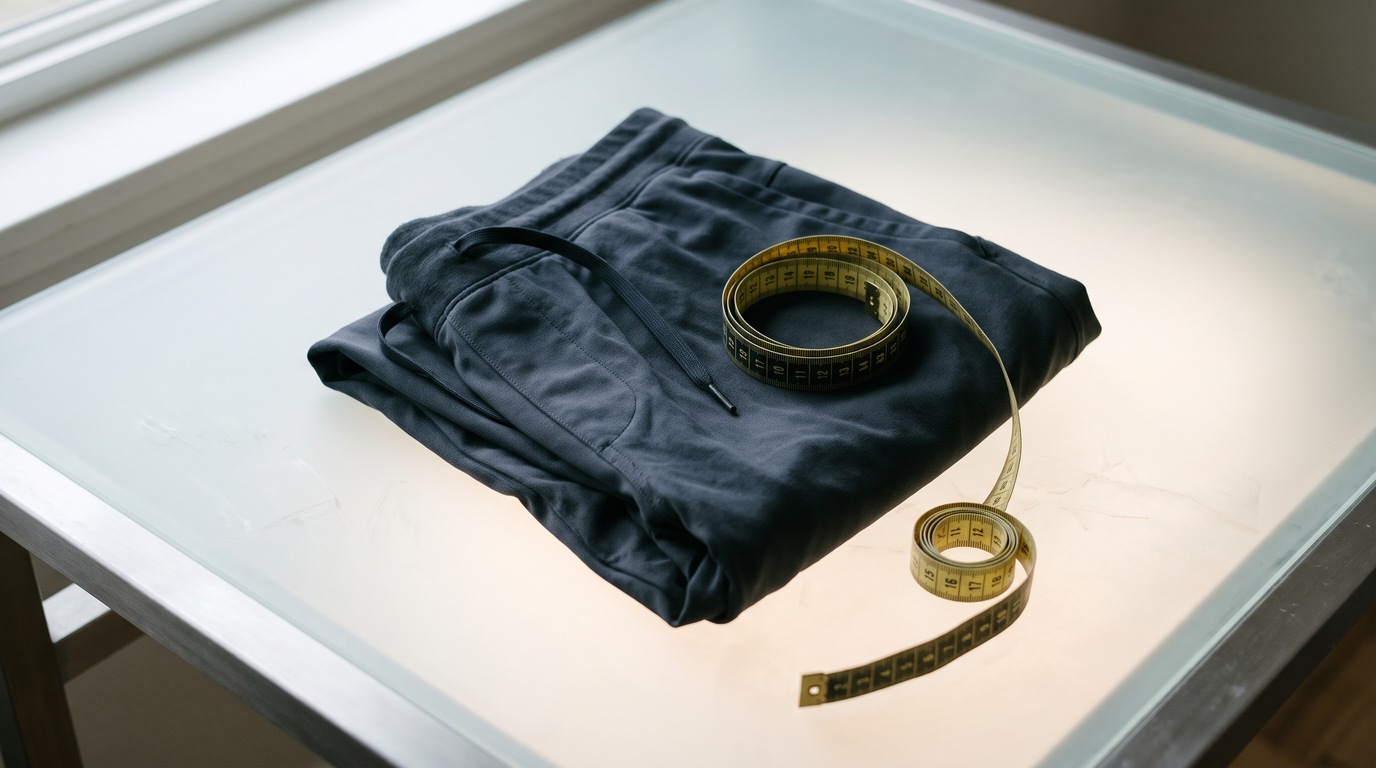
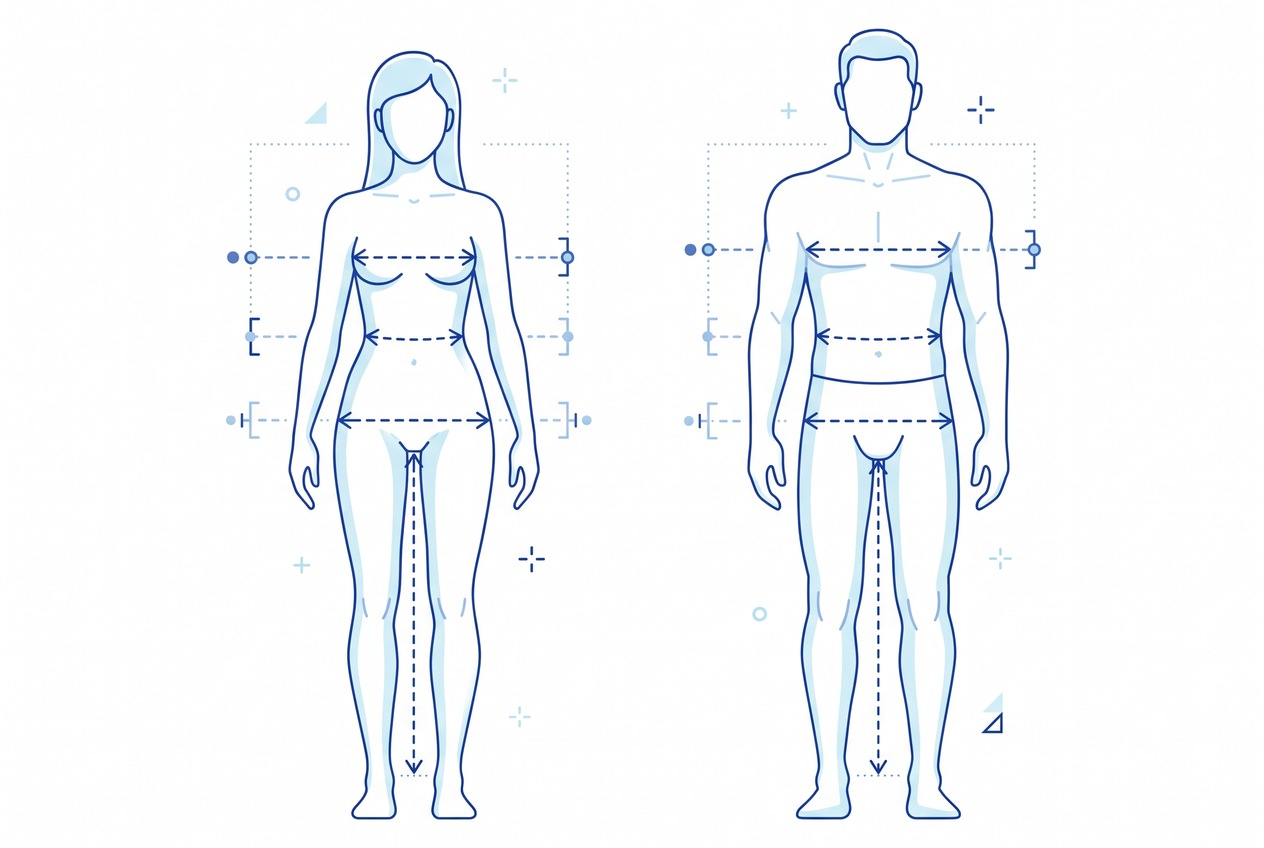
Use a soft measuring tape, and measure over light clothes or bare skin.
- Chest: around the fullest part of your chest, with the tape level.
- Waist: around the narrowest part of your torso, usually above the navel.
- Hips: around the fullest part of your hips and seat.
- Inseam: from the crotch to the ankle bone, or to the point where you want the hem.
- Height: for tops and long garments.
Write the numbers down so you can compare them with each size chart.
| Measurement | How to take it | Why it matters |
|---|---|---|
| Chest | Around the fullest part, tape level | Fit of tops and jackets |
| Waist | Narrowest point of the torso | Fit of shorts, tights and waistbands |
| Hips | Fullest part of the seat | Fit of tights and shorts |
| Inseam | Crotch to ankle or hem point | Length of shorts and tights |
| Height | Standing, no shoes | Length of tops and long garments |
Reading the size chart
Find the row that matches your measurement. If your chest falls into one size and your waist into another, choose the size that fits the larger measurement for tops and the waist and hips for bottoms. If you are between sizes, read the maker’s note on fit.
Check whether the chart lists a stretch range. Some charts show how far the fabric stretches, and others note that the fit is true to size, runs small or runs large. User reviews often mention this.
Inseam and length
Inseams matter more than many shoppers expect. Training shorts commonly come in 5 inch, 7 inch and 9 inch inseams. A shorter inseam suits running and warm weather, and a longer inseam gives more coverage for lifting and sports like basketball. Tights come in full length, seven-eighths and capri lengths. Pick the length that matches your height and your use.
If you are tall or short, look for brands that offer different inseam options or length sizes.
Fit types
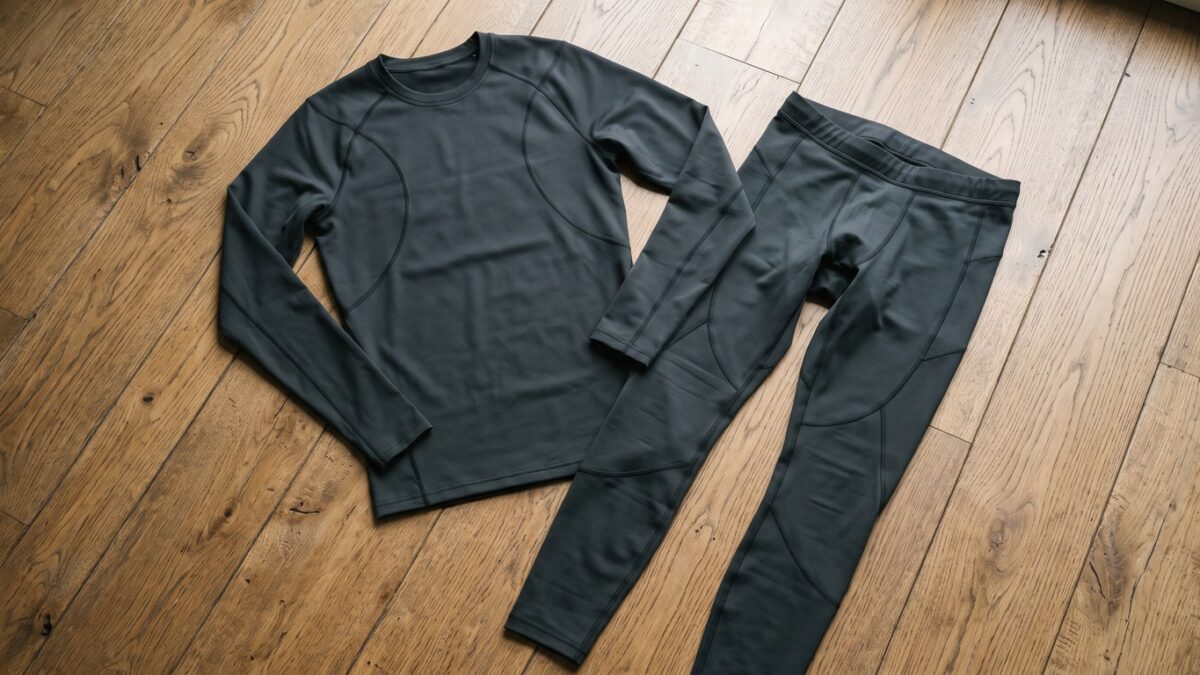
- Compression or fitted: close to the body, little extra room.
- Standard: snug but with room to move.
- Relaxed or loose: extra room, more airflow.
The right fit depends on the activity. Fitted garments reduce flapping for running, while looser garments feel comfortable for lifting and casual wear.
The at-home fit test
When your order arrives, try the clothes on and test them with real movement:
- Squat and check that the fabric does not become see-through. Bright light shows this best.
- Lunge and check that the waistband stays in place.
- Raise your arms overhead and check that the hem of the top stays down.
- Bend forward and check that the neckline does not gape.
- Jog in place and check for rubbing at the seams.
If a garment fails any of these tests, return it or exchange it for another size.
Fit for specific activities
The same size can feel right for one activity and wrong for another.
- Running: a close fit that does not flap in the wind, with a waistband that holds without bouncing.
- Weightlifting: a fit with room at the shoulders and hips, and shorts or tights that allow a deep squat.
- Yoga and stretching: soft, stretchy fabric that does not slip down in forward bends or twists.
- Team sports: a comfortable fit that allows full movement and does not catch on equipment.
- Casual wear: a relaxed fit that feels good for the whole day.
If you do several activities, buy a few pieces for each rather than expecting one cut to handle everything.
Sizing between brands
Do not assume that your size is the same everywhere. Keep a list of the sizes that work in each brand, along with the fit type. That list will save time and returns.
Also check whether the garment shrinks. Most synthetic fabrics shrink little, but blends with cotton may shrink in the dryer. Wash and dry according to the care label.
Returns and exchanges
Sizing mistakes are common, so check the return policy before you order. Look at the return window, whether returns are free and whether worn items can be returned. Some stores allow exchanges for size even when returns are limited.
The bottom line
Measure yourself, compare the numbers with the maker’s size chart, check the inseam and the fit type and test the garment with real movement. Keep notes on what fits, and use the return policy as a safety net. A few minutes with a tape measure can save a drawer full of clothes that never fit.