Compression clothing has moved from athletic training rooms into everyday gym bags. Tights, shorts and tops that hug the body are sold as comfort, support and style, and the price ranges are wide. Before buying, it helps to know what compression garments are, how they should fit and which claims to treat with caution. This guide explains the basics so you can choose a garment for comfort and use it well.
This is general information about clothing. Compression garments are not a medical treatment, and nothing here is medical advice. If a garment causes pain, numbness or a skin reaction, stop wearing it and speak with a physician.
What compression wear is
A compression garment is made from stretch fabric that fits close to the body and applies light, even pressure. The fabric is usually a nylon or polyester blend with a high share of spandex, often 20 to 30 percent. Some garments apply more pressure in certain zones, and others apply the same pressure throughout.
Compression garments are different from medical compression stockings, which are prescribed and fitted by clinicians for specific conditions. Athletic compression wear is sold for comfort and for sport, and it should not be used as a substitute for medical care.
What people use it for
Athletes wear compression garments for several practical reasons:
- A snug fit keeps fabric from flapping and chafing.
- The close fit holds muscles and layers in place during movement.
- Many people find the feel supportive or reassuring.
- Tights and shorts can work as a base layer under other clothes.
Research on performance and recovery benefits has produced mixed results, so we make no claims about either. Choose compression wear because you like the fit and the feel, not because of a promise on the label.
How tight should it feel
A compression garment should feel snug and supportive, but you should be able to breathe, move and bend freely. It should not dig into your skin, leave deep marks or cause tingling.
Check these points when you try one on:
- You can take a full breath without restriction.
- The waistband stays in place without cutting in.
- The cuffs and hems do not roll or pinch.
- The seams do not rub when you move.
- You can squat, lunge and reach without the fabric pulling away.
If a garment feels painful in the shop, it will feel worse after thirty minutes of exercise.
Reading the fabric and construction
Look at the fiber content on the label. A garment with a higher spandex share stretches more and recovers better, but it can also feel thinner. Fabric weight matters too. Heavier fabrics feel more supportive and warm, and lighter ones breathe better.
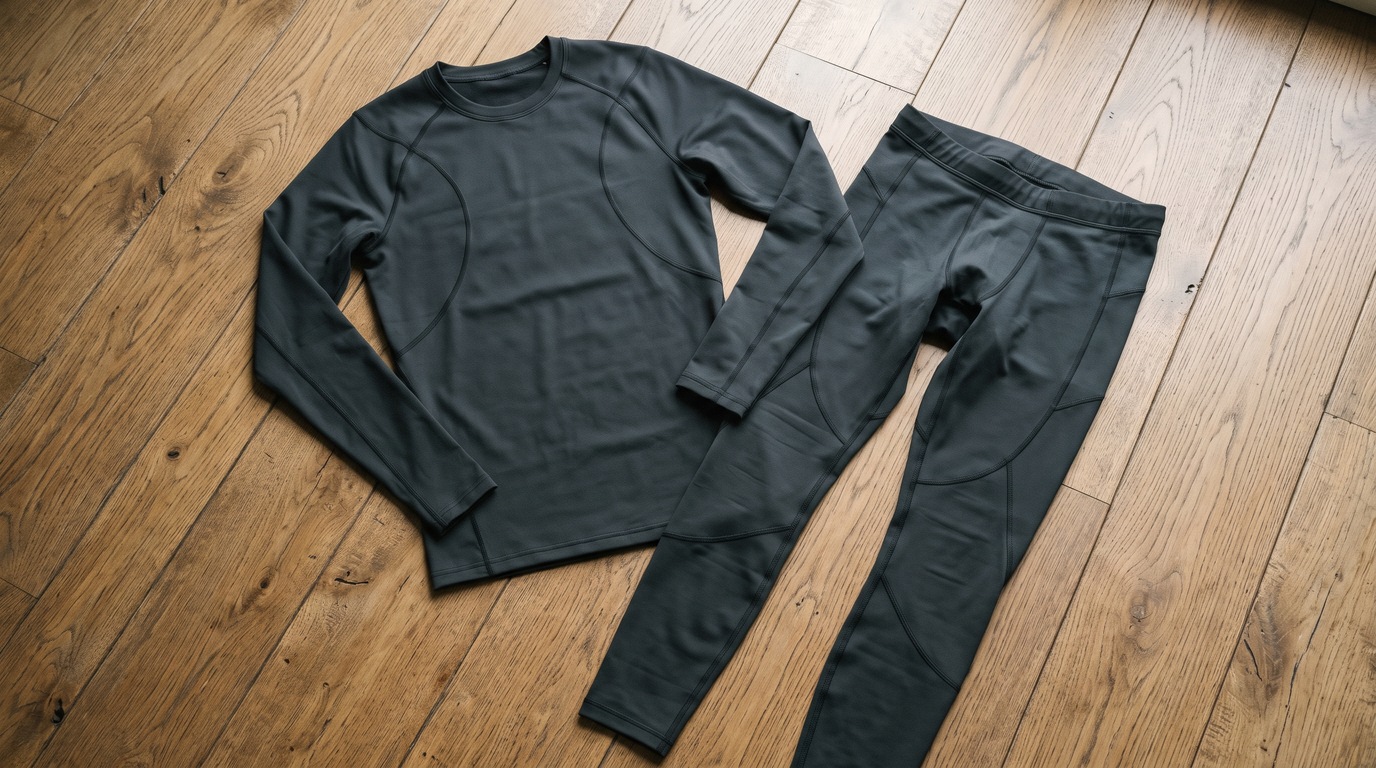
Seams make a difference. Flatlock seams lie flat against the skin and reduce chafing. Look for gussets in the crotch of tights, which allow a full range of motion. Mesh panels add ventilation behind the knees and along the back.
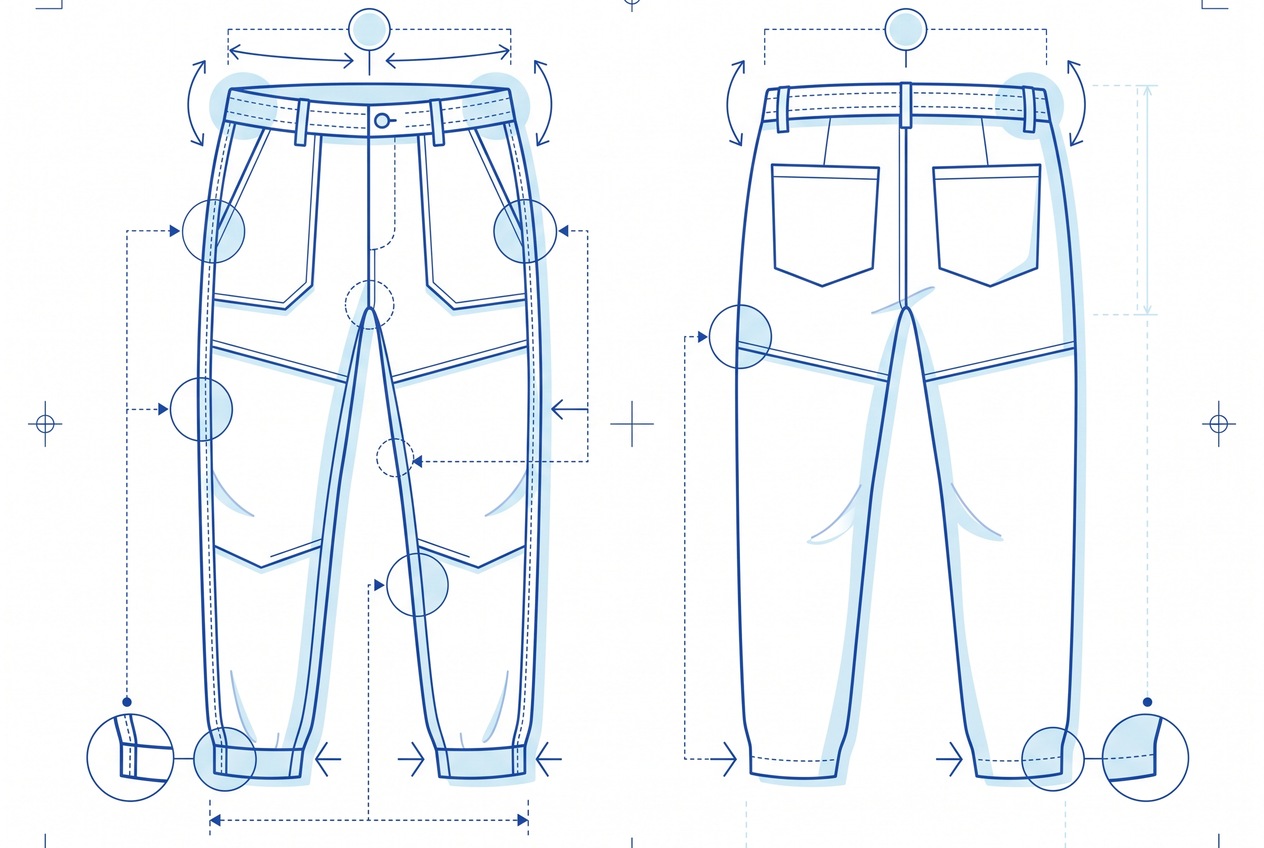
Types of compression garments
| Garment | Common use | What to check |
|---|---|---|
| Tights | Running, lifting, cold-weather training | Waistband hold, inseam length, gusset |
| Shorts | Hot weather, under other shorts | Leg grippers that do not roll up |
| Long-sleeve tops | Base layer, cooler days | Neck and cuff comfort |
| Sleeves | Arms or calves, used with other clothes | Fit that does not slip or bunch |
| Socks | Running, long days on feet | Heel pocket and arch fit |
Sizing compression wear
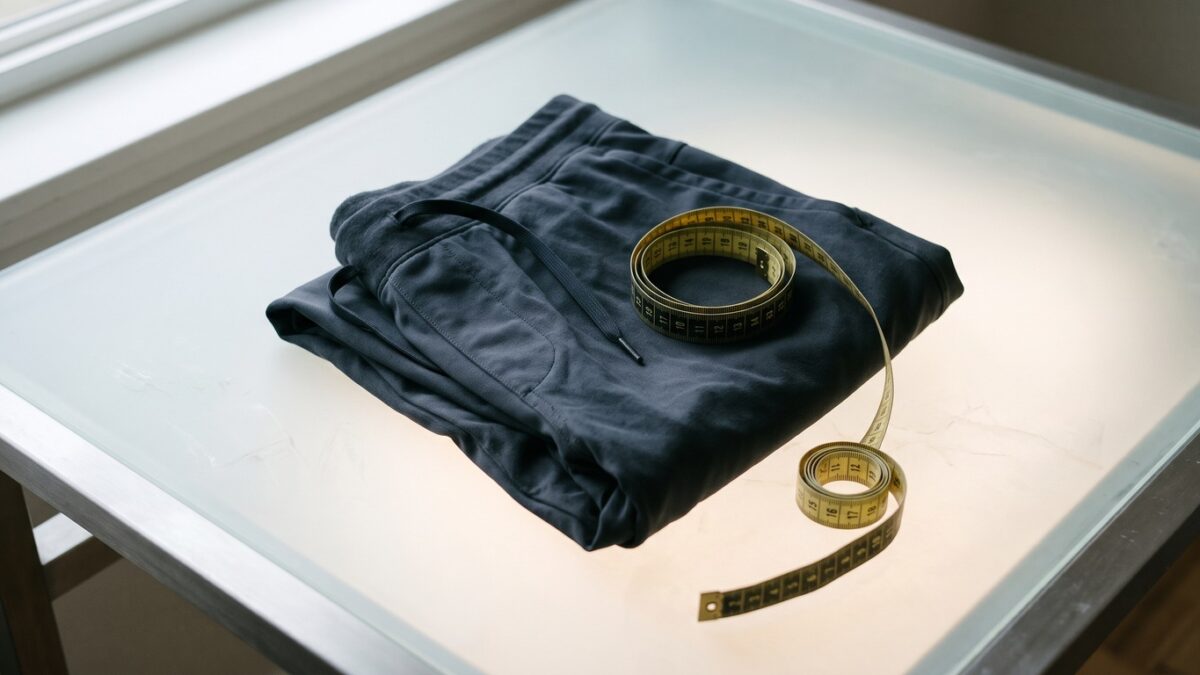
Because compression garments are meant to fit snugly, sizing is more sensitive than with loose clothes. Measure your chest, waist, hips and inseam, and compare them with the maker’s size chart. If you are between sizes, think about how you plan to use the garment. Larger sizes feel more comfortable, while smaller sizes feel more supportive.
Don’t size down to feel more compression. A garment that is too small restricts movement and can feel painful.
Care
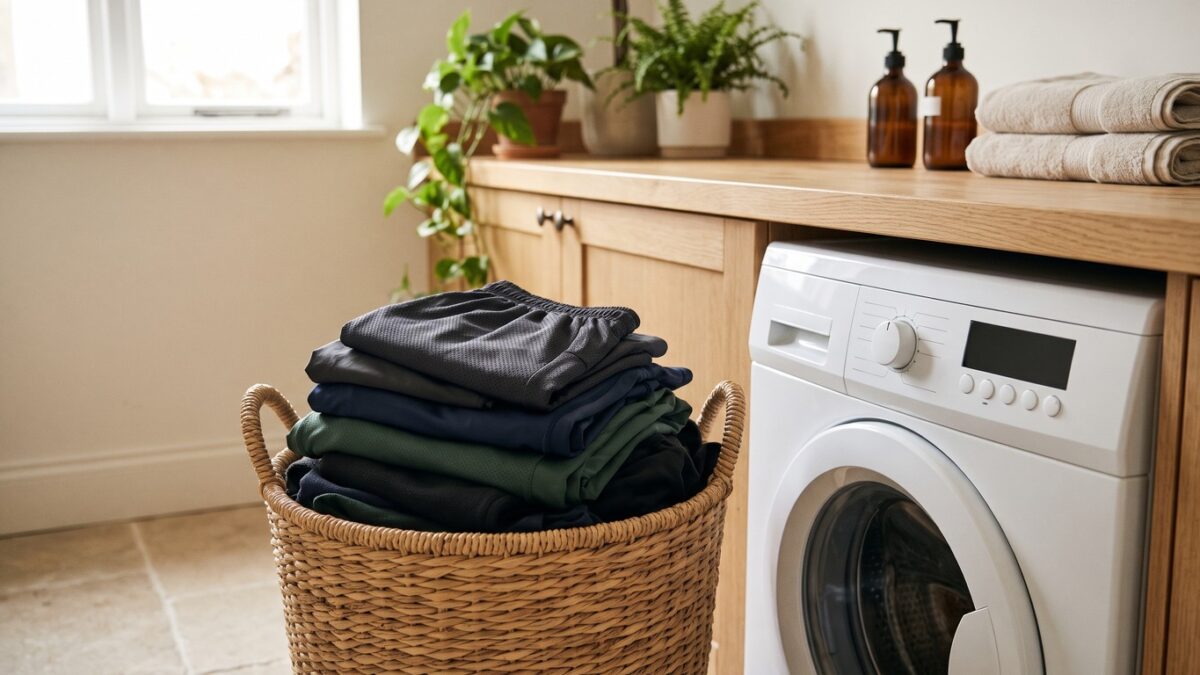
Wash compression garments in cold water on a gentle cycle, inside out. Avoid fabric softener, which coats the fibers and reduces stretch. Skip high heat in the dryer, since heat damages spandex. Air dry when possible.
Replace a garment when the fabric loses its snap, when the waistband stretches out or when the fabric thins at the seat or knees. With regular wear, a pair of tights may last one to two years.
When to skip compression wear
Skip it if the garment causes pain, itching or numbness, if it leaves deep marks or if you have a medical condition that affects circulation or skin. In those cases, speak with a physician before wearing compression clothes. Also skip it in very hot weather if it makes you feel overheated.
Climate and layering
Compression garments trap heat against the body, which is welcome in cool weather and less welcome in a heat wave. In cold weather, a long-sleeve compression top works well as a base layer under a jacket. In hot weather, choose lighter fabrics with mesh zones, or wear compression shorts only.
Layering also affects fit. If you plan to wear compression tights under shorts, check that the two layers do not bunch at the thigh. If you wear a compression top under a jersey, check that the sleeves do not ride up.
Questions to ask before you buy
- What is the fiber content, and how much spandex does the fabric contain?
- Does the size chart give body measurements or garment measurements?
- Are the seams flat, and does the waistband stay in place?
- What is the return policy if the fit is wrong?
- How should the garment be washed and dried?
The bottom line
Compression wear is clothing that fits close and stretches. Pick it for the feel and for practical reasons like less chafing, and make sure it fits snugly without pain. Read the fabric, check the seams, size by measurement and care for the garment gently, and you will get more wear out of it.