Holiday sales put workout clothes on promotion at almost every store, and the banners all promise big savings. Some of those deals are good, and some are ordinary prices dressed up with a bold percentage. A little checking turns a sale from a gamble into a real saving. This guide covers how to judge a discount, what outlet stock really is, how to protect yourself with return terms and how to plan a purchase that fits your training.
This is general buying advice. It does not recommend a particular brand or retailer, and sale terms change often, so read the current policy before paying.
Decide what you need first
Before opening any sale page, make a short list. Count the clothes you wear each week, note what has worn out and write down the sizes that fit you in each brand. A discounted item that you do not need is not a saving, no matter how steep the cut.
Set a budget for the whole list, not for each item. It is easy to spend more on five bargains than on two good pieces you actually needed.
How to judge a discount
A percentage off tells you very little without the starting price. Check these points:
- Compare the sale price with the price the same item sold for in recent months, if the store shows a history or you have seen it before.
- Check other retailers for the same item and size.
- Look for the exact model name, since some stores sell similar items made only for the sale.
- Ignore crossed-out prices that look unusually high.
- Add shipping and tax to the total.
A real saving is a lower price than you would normally pay, on an item you would normally buy.
Outlet stock and made-for-outlet items
Many brands run outlet stores and outlet sections online. Some outlet items are last season’s products or overstock from regular stores. Others are made specifically for outlets, often with simpler fabrics, fewer features or lighter construction.
Check the label and the fabric content. If an outlet item is missing a feature you care about, such as flat seams or mesh vents, the lower price may reflect a lower grade. That is not always bad, but it is worth knowing before you buy.
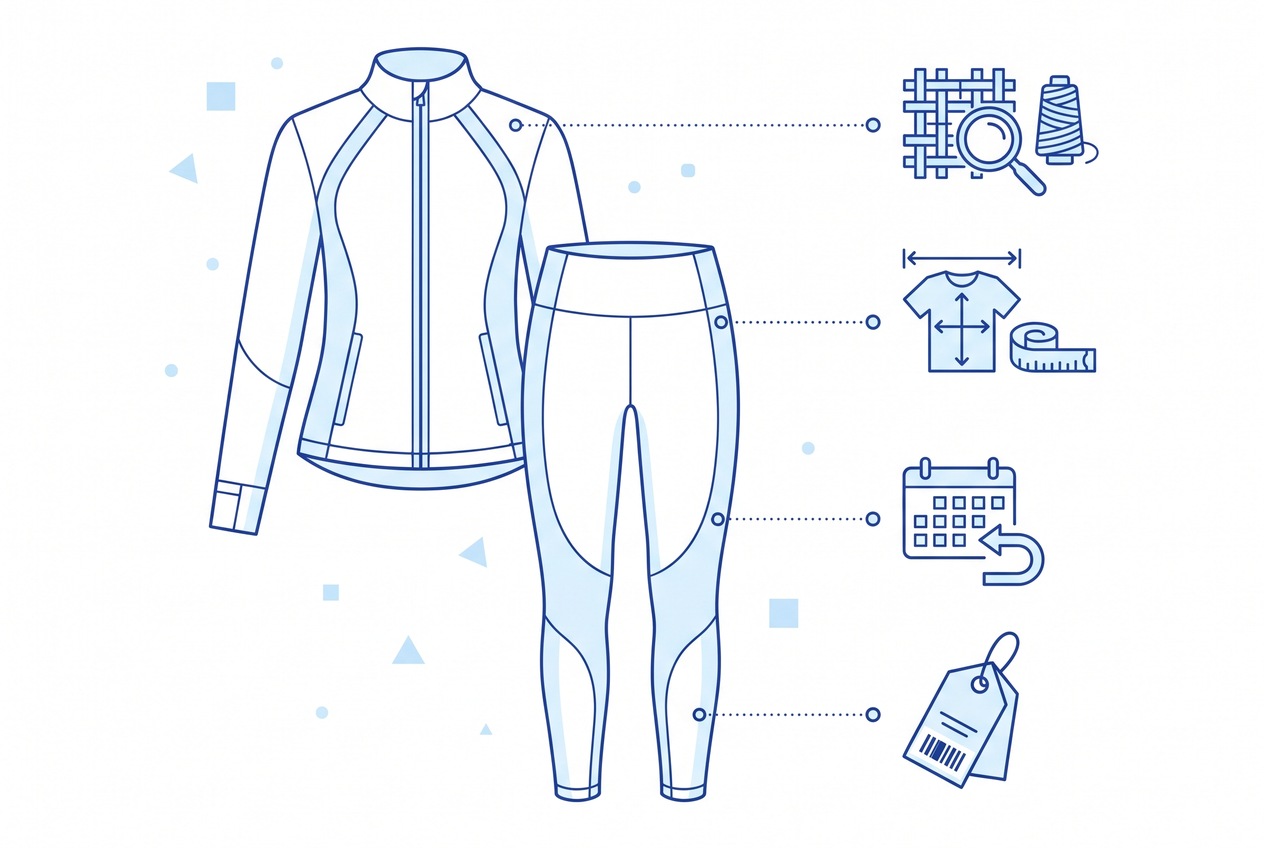
Return and exchange terms
Read the return policy before you pay, not after.
- Return window: how many days you have to return an item.
- Condition: whether worn or washed items are accepted.
- Cost: whether returns are free or charged a shipping or restocking fee.
- Final sale: whether sale items can be returned at all.
- Refund method: whether you receive a refund or store credit.
Some sales are marked final sale, which means no returns. For clothes that depend on fit, that is a risk. Buy final sale items only in a size you know fits well.
| Check | What to look for | Why it matters |
|---|---|---|
| Real discount | Lower than recent prices | Confirms the sale is a saving |
| Fabric content | Fiber blend and weight | Shows what you get for the price |
| Size chart | The brand’s own chart | Avoids guesswork on fit |
| Return window | Long enough to test the fit | Gives time to check and wash |
| Final sale | Clearly marked or not | Decides whether you can return |
| Shipping cost | Free or paid, and the threshold | Changes the real price |
Gift timing
If you are buying workout clothes as gifts, check the return and exchange options for the recipient. Many stores allow gift receipts or exchanges for a longer period around the holidays. Choose sizes carefully, or choose items with a forgiving fit, such as relaxed tees or socks, if you are unsure.
Gift cards are an option for someone with strong preferences, though they remove the discount.
Shipping and delivery times
Holiday shipping can slow down. If you want items by a certain date, check the estimated delivery and whether the store guarantees it. Free shipping thresholds can push you to buy more than you need, so compare the cost of shipping to the cost of an extra item.
Price adjustments
Some stores offer a price adjustment if the price drops soon after you buy. Check whether this applies and how long it lasts. If a price drops, you may be able to claim the difference.
Build a small, useful wardrobe
If you are starting from scratch or replacing worn items, think in terms of a small set that mixes and matches.
- Three or four tops in a fast-drying fabric.
- Two or three bottoms, such as shorts and tights.
- One warm layer for cool days.
- Several pairs of socks in a fabric you like.
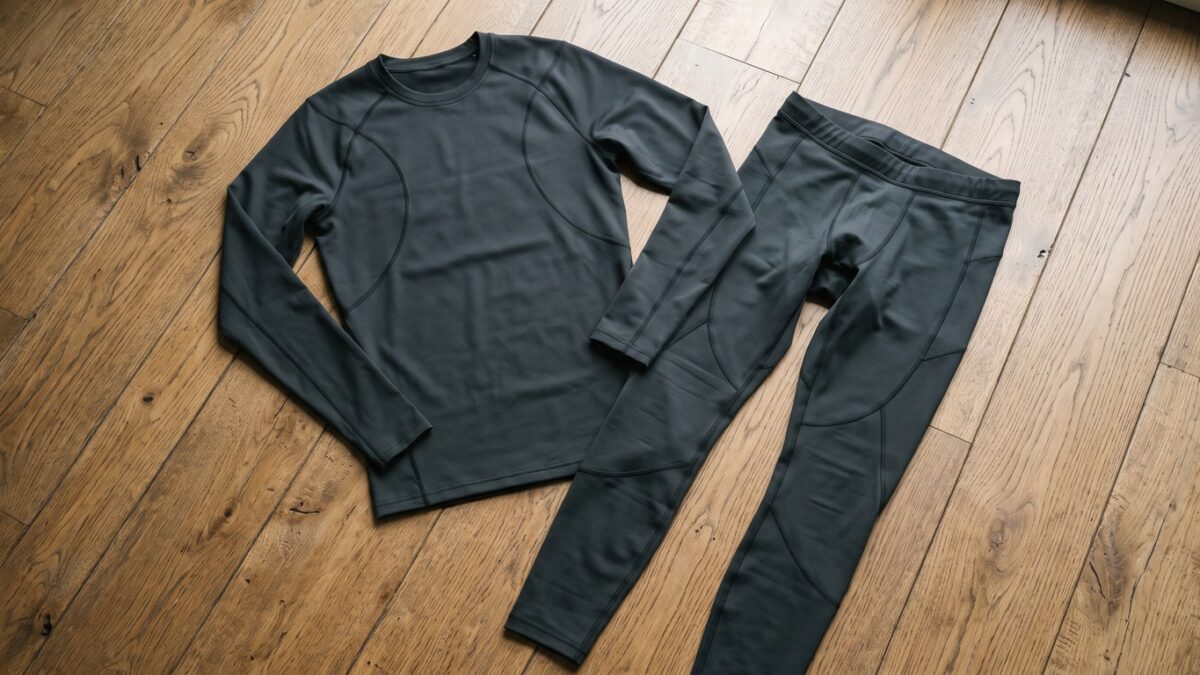
- One or two items for special needs, such as a base layer for cold weather.
This set covers most training weeks and gives each item time to dry and recover. A sale is the right time to fill gaps, not to add duplicates.
Keep your records
Keep your order confirmation, the receipt and the tags until you have tried the clothes. Wash an item once according to the label before removing the tags, if the store allows returns of washed items. Take photos of any flaw as soon as you spot it.
The bottom line
A holiday athletic wear sale is worth using when you know what you need, compare prices, check the fabric and understand the return terms. Buy sizes that you know fit, watch for final sale labels and keep your records. A deal that fits and lasts beats one that only looks good on a banner.